

Tile Installation 101: Understanding the Process for a Flawless Finish
Tile is celebrated for its incredible durability, low maintenance, and design versatility, making it a staple in homes across the Temple, Waco, and Killeen area. However, the lasting beauty and integrity of a tile floor depend almost entirely on the installation process. Unlike simple flooring methods, professional tile installation is a multi-step craft that requires specialized knowledge, tools, and experience. Understanding the key stages from subfloor preparation to the final sealing helps homeowners appreciate why expert installation is critical for ensuring the longevity and flawless aesthetic of their investment, especially when dealing with popular large-format tiles.
At FloorCo. Premium Flooring & More, our priority is to provide high-quality flooring options and ensure they are installed correctly. We emphasize the expertise of the FloorCo Premium team, knowing that a professional job eliminates costly future issues and guarantees a beautiful, long-lasting result for your home.
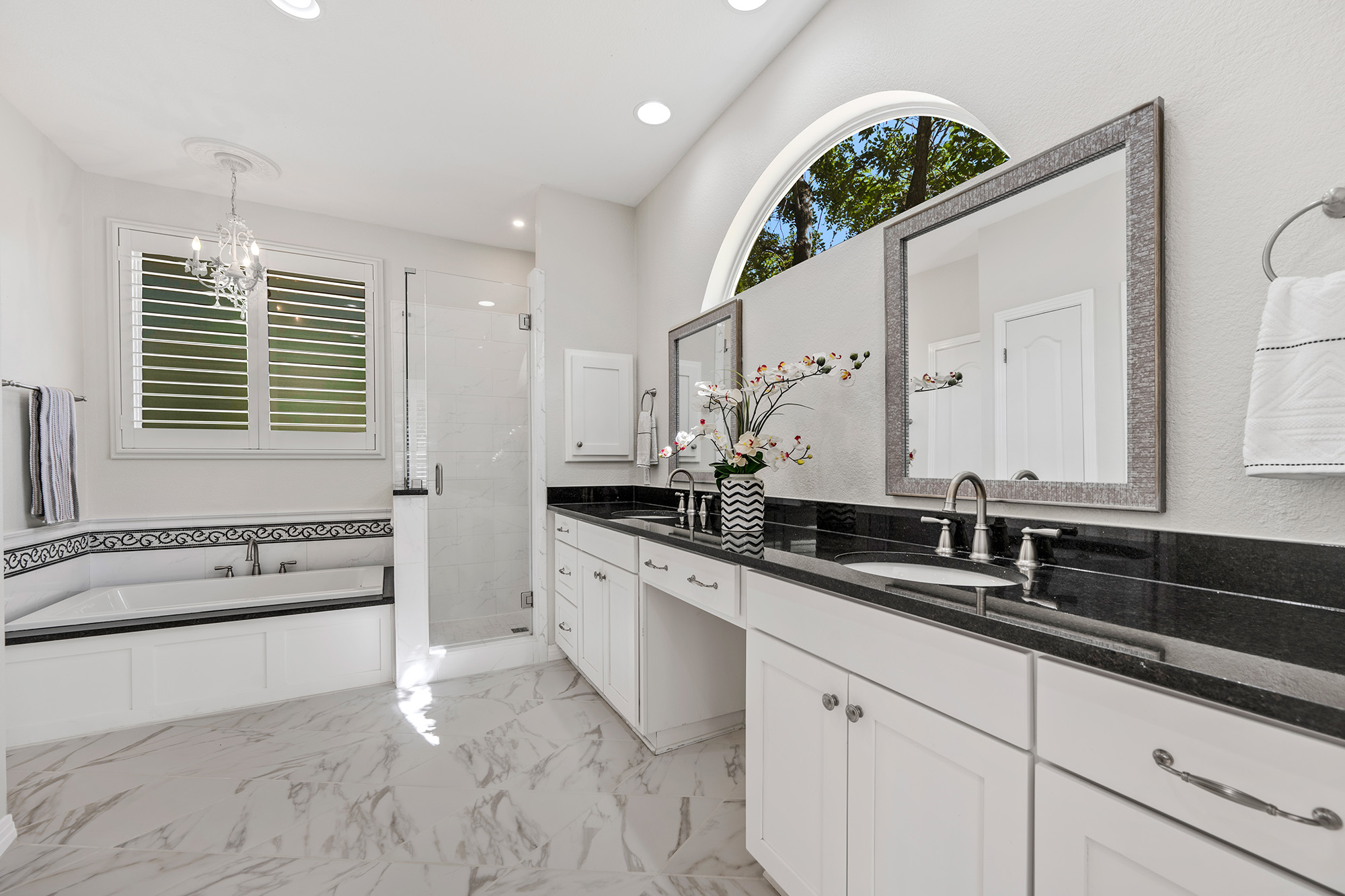
Step 1: Subfloor Preparation—The Foundation of Longevity
The hidden work done before the first tile is laid is the most important factor in preventing cracks, unevenness, and moisture issues down the road.
Ensuring Stability and Flatness
- Assessing the Substrate: The professional process begins with a meticulous assessment of the subfloor (concrete slab or wood). Any structural defects, movement, or contaminants must be addressed first. A stable, solid base is essential, as tile is inherently rigid and cannot flex with an unstable floor.
- Leveling and Membranes: Most existing floors are not perfectly flat, which leads to lippage (uneven tile edges). Professionals use self-leveling compounds to create a perfectly flat surface. For bathrooms or areas over concrete, a crack-isolation membrane is applied. This flexible layer prevents cracks in the underlying slab from transferring through the tile and grout, protecting the floor’s integrity.
- Backer Board: In wet areas like showers, cement backer board is installed. This non-absorbent material provides a moisture-resistant foundation superior to drywall.
Step 2: Laying the Tile—Precision and Pattern
This stage is where the artistic skill and precision of the installer shine, especially when dealing with complex layouts.
Setting, Spacing, and Lippage Control
- Layout and Dry Fitting: The installer maps out the exact layout and starting point (often the center of the room) to ensure the cuts at the edges are balanced and visually appealing. This “dry fit” prevents awkward small cuts in visible areas.
- Thin-Set Mortar: The correct thin-set mortar must be chosen based on the tile material and size (large-format tiles require specialized mortar). The mortar is applied to the floor and the back of the tile (back-buttering) to ensure 95% coverage, preventing hollow spots that lead to cracking.
- Lippage Prevention: With large-format tiles (12×24, 24×48), preventing lippage is paramount. Professionals use Leveling Clips or Spacer Systems to physically hold the tiles perfectly flat and level while the thin-set cures, guaranteeing a smooth finish that is free of uneven edges.
Step 3: Grouting and Sealing—The Final Polish
The final steps seal the surface, complete the aesthetic, and determine the floor’s long-term resistance to dirt and moisture.
Durability and Maintenance
- Grouting: Once the thin-set is completely cured, grout is applied. The installer uses a rubber float to pack the grout firmly into the joints, ensuring uniform depth. Proper timing of the “clean up” phase is critical to remove excess residue without washing out the joints.
- Caulking: Flexible sealant (caulk) is used instead of rigid grout in critical transition areas, such as the joint between the floor and the wall, or where a shower wall meets the floor. This flexible joint accommodates natural home movement, preventing future cracking.
- Sealing: Most natural stone and cement-based grouts require a sealer. This protective coating penetrates the material, making it resistant to moisture and stains, which is key for easy maintenance in kitchens and bathrooms.
By trusting the professional process, you ensure your durable tile floor is structurally sound, visually flawless, and built to last.
Professional Tile Installation Process Guide
To learn more about our flawless tile installation process and explore our large variety of name brand tile, visit FloorCo. Premium Flooring & More in our Temple, Waco, or Killeen, TX showrooms or Contact us, where you can find high-quality options at an affordable price.